- Our Most Popular Treatments
- Our Testimonials
- Start Your Smile Journey
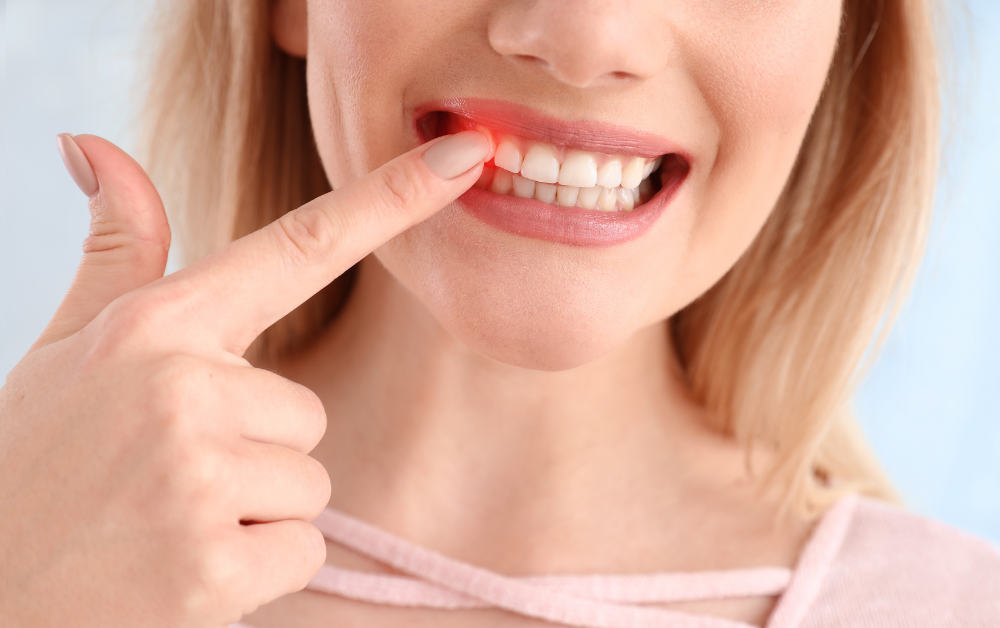
One of the things I try to communicate to every new patient I see is this: your mouth is not separate from the rest of your body. What happens in your gums has consequences far beyond your teeth — and the reverse is equally true. Your overall health has a direct impact on your gum health.
This is something the medical world has understood for a while, but it still surprises most patients when I explain it. Gum disease is not just a dental problem. It is a health problem, full stop.
I have been practising as a specialist periodontist for a long time, and one of the things that keeps me passionate about this field is how much the mouth can reveal about the rest of the body. I have seen patients with gum changes that led me to suspect — and in some cases confirm — conditions they had no idea they had. Diabetes. Hormonal shifts. And yes, on more than one occasion, a pregnancy a patient did not yet know about.
When the hormones change — particularly progesterone — the blood vessels in the gum tissue become more reactive, and the gums bleed more readily. If I have been seeing a patient for some time and they come in with gum behaviour that is out of the ordinary for them, it tells me something has changed systemically. The mouth is a window into the body, and if you know what you are looking at, it is a remarkably informative one.
Of all the systemic links with gum disease, the one with diabetes is probably the most well-established and the most clinically significant. The relationship is what we call bi-directional — meaning each condition makes the other worse.
Uncontrolled gum disease makes it harder to control blood sugar. Elevated inflammation in the gum tissue contributes to broader inflammatory pathways in the body, which interferes with insulin sensitivity. For someone managing type 1 or type 2 diabetes, this can directly affect their HbA1c — the measure of average blood glucose over time.
The reverse is also true. When diabetes is poorly controlled, the gum disease is harder to treat. The body’s ability to fight infection is compromised, and the tissue does not heal as well following treatment. This is why, when I have a patient with diabetes, I do not work in isolation. I liaise with their GP and diabetician to make sure we are co-ordinating the management of both conditions together.
The practical upshot of this: if you have diabetes and you have not had a thorough gum assessment recently, please book one. And if you have gum disease and you do not know your blood sugar numbers, it is worth asking your GP to check them.
The link between periodontal disease and cardiovascular health is something I am always careful to explain accurately. There is not a direct, proven causation between the two — but there is a well-documented association, and it is one that clinicians take seriously.
Both conditions involve inflammation, and it appears that the systemic inflammation driven by active gum disease may contribute to the inflammatory processes that underpin cardiovascular disease. Studies have found that people with severe periodontitis have a higher risk of heart disease and stroke than those without gum disease — even when other risk factors are accounted for.
Again: I cannot say that treating your gum disease will prevent a heart attack. But I can say that keeping your gum disease under control is part of managing your overall inflammatory load — and that matters for your whole body.
Pregnancy causes significant hormonal changes, and the gums are one of the first places those changes show up. The rise in progesterone makes the gum tissue more vascular and reactive, which means pregnant women are more prone to bleeding and inflammation — even if their oral hygiene has not changed.
This is not a reason to panic. But it is a reason to be more proactive about your gum care during pregnancy. I generally advise pregnant patients to see their hygienist more frequently during the second and third trimesters, and to be especially attentive to their daily cleaning routine.
There is also evidence linking untreated gum disease in pregnancy to adverse outcomes including preterm birth and low birth weight. These are serious enough findings that I would always encourage any pregnant patient to mention their gum health to their midwife, and to make sure they are getting regular dental care throughout their pregnancy.
Hormonal changes during the menopause and perimenopause can also affect the gums. Some women notice their gums feel drier, more sensitive, or more prone to bleeding during this time — and it can be confusing if no one has explained why.
Oestrogen plays a role in maintaining the health of the gum tissue. As oestrogen levels fall, some women experience a reduction in saliva production, changes in gum sensitivity, and increased susceptibility to infection. For women who have managed their gum health well throughout their lives, this can feel like a sudden step backwards.
If you are going through the menopause and you notice changes in your gum health, please do not dismiss it. Mention it to your dentist or your periodontist. And if you are considering HRT for other menopausal symptoms, it is worth knowing that there is some evidence it can have a protective effect on gum tissue as well — another reason to discuss your options with your GP.
Looking after your gums is not just about having a nice smile or avoiding bad breath. It is about managing a chronic inflammatory condition that affects your whole body — your blood sugar, your heart, your hormonal health, and your immune system.
I believe strongly that dentistry and medicine need to work more closely together, and in my own practice, that is exactly what we try to do. When I see a patient, I am not just looking at their mouth. I am looking at their health.
If you have not had your gum health properly assessed recently — especially if you have diabetes, a heart condition, or you are pregnant or perimenopausal — please come in and see us.
Dr Gita Auplish is a specialist periodontist and co-founder of Bandlish & Auplish Dental Surgery. She holds a Master’s degree in Periodontology and her Fellowship of the Royal College of Surgeons, and works as a Consultant at King’s College Hospital, London.






Fill in the form and our friendly team will be in touch with you monumentarily
The practice is incredibly client focused from the moment you pick up the phone to the aftercare provided. Gita was fantastic and clear in explaining then resolving the issues I had. The results at th... Read More
I came to Dr. Gita Auplish after being turned away by an Invisalign provider who found gum disease during a routine clean and told me I’d need to see a specialist, then put me on a waiting list with... Read More
Like many people, I’ve had a longtime fear of the dentist but I’m very happy to leave a review here to let other people know you couldn’t be in better hands than with Gita. I was referred by my ... Read More
After a previous horrific incident at former dentist, I was extremely hesitant to attend another, I eventually found bandlish & auplish and now needed peridontal care it having been that long, I was b... Read More
I made an appointment with Doctor Auplish after finding out I’d experienced bone loss due to gum disease. From the moment I met Gita she made me feel like we would solve everything together, and I n... Read More